Mortgage rates have edged lower for a second straight week, offering a small break for borrowers. Still, the improvement remains limited. The average U.S. 30-year fixed mortgage rate is now higher than it was at the same point last year, keeping borrowing costs a concern for many home shoppers.
Freddie Mac reported Thursday that the average 30-year fixed mortgage rate dropped to 6.65%, down from 6.67% the previous week. However, the rate stood at 6.58% one year ago.
The average rate for a 15-year fixed mortgage also moved slightly lower. It fell to 5.95% from 5.96% a week earlier. A year ago, the 15-year rate averaged 5.69%.
For borrowers, even small rate changes can affect monthly payments. Higher rates can also reduce purchasing power, which may cause some buyers to postpone a home purchase.
Why Mortgage Rates Keep Moving

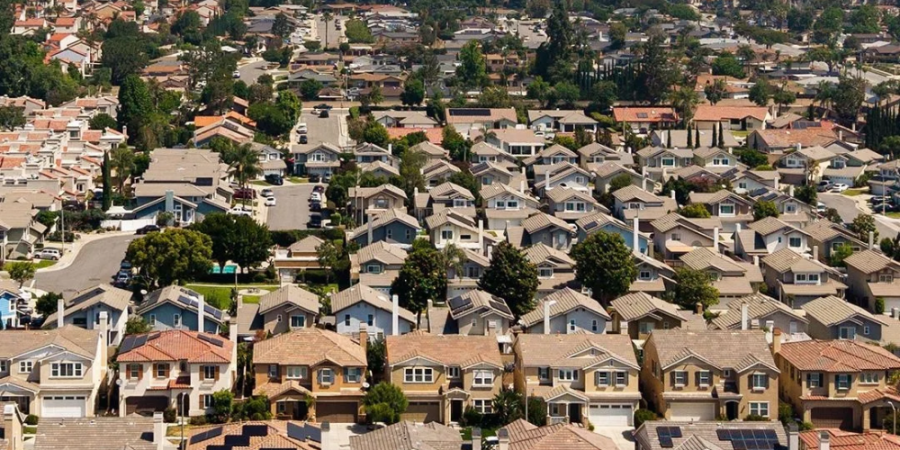
Freepik | Mortgage rates fell slightly for a second week, but borrowing costs remain higher than last year.
Mortgage rates respond to several economic forces. Inflation, Federal Reserve policy expectations and investor views on the economy all influence borrowing costs.
The 10-year U.S. Treasury yield remains an important market indicator because mortgage lenders often use it when setting home loan prices. As bond yields rise, mortgage rates typically face upward pressure.
Recent economic concerns have kept bond yields elevated. The conflict involving the U.S. and Iran pushed crude oil prices higher and raised concerns about renewed inflation. Oil prices have eased recently, but long-term bond yields remain above their levels before the conflict began in late February.
The Treasury Department also announced Wednesday that it would at least double planned purchases of U.S. government bonds over the coming months. The announcement helped pull Treasury yields lower after the 10-year yield reached its highest level in more than a year.
By midday Thursday, the 10-year Treasury yield stood at 4.71%, compared with 3.97% in late February before the conflict.
Housing Market Still Faces Pressure
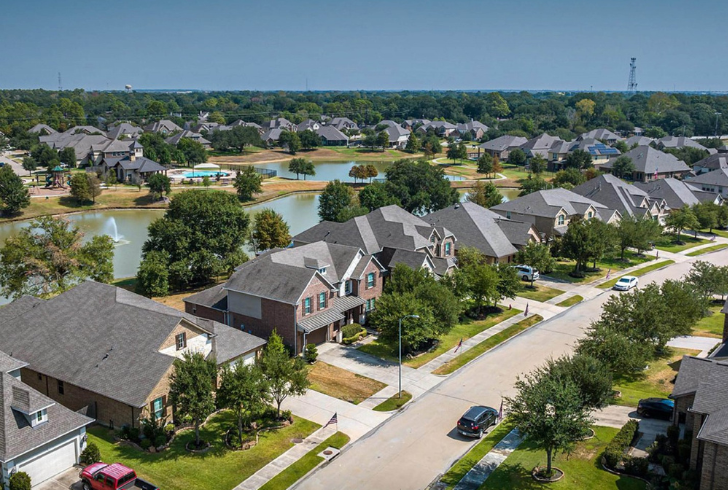
Instagram | homesdotcom | Soaring borrowing costs have pushed home sales to historic lows, leaving hopeful buyers on the sidelines.
The housing market has struggled since 2022, when mortgage rates began climbing from pandemic-era lows. Higher financing costs have made home purchases harder for many households.
Existing-home sales remained near a 30-year low last year, and sales of previously occupied homes slowed again in July. While the latest mortgage-rate decline could provide some relief, borrowing costs remain high enough to influence buyer decisions.
Mortgage rates may continue to shift as inflation data, Treasury yields, Federal Reserve expectations and broader economic conditions change. The recent decline offers some relief, but rates remain above last year’s levels.
For now, buyers continue to weigh monthly payments and home prices carefully, while sellers face a market where affordability remains a major factor.
The latest figures show a modest improvement rather than a major change in borrowing conditions. With the 30-year rate at 6.65% and the 15-year rate at 5.95%, mortgage costs remain above their levels from a year ago.
As Treasury yields and inflation expectations move, mortgage rates will remain an important factor shaping U.S. housing activity.